
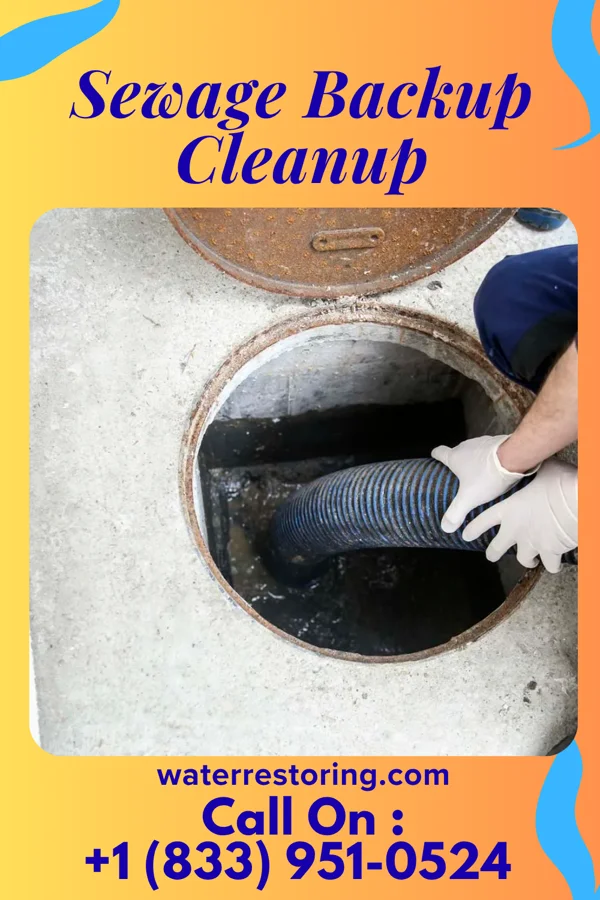
Why Plymouth Sewage Backups Are Hazardous
Most water damage emergencies in Plymouth start with combined sewer overflow during spring snowmelt and heavy rainfall. From the second water touches the property, every minute changes what gets saved and what gets ripped out.
Plymouth, Ohio experiences frequent heavy rainfall and snowmelt in the spring, which can overwhelm the aging combined sewer systems. The region's clay soil and flat terrain also contribute to slow drainage, increasing the risk of sewage backups during wet weather.
Most sewage backup cleanup calls in Plymouth come from combined sewer overflow during spring snowmelt and heavy rainfall. Local mold risk: 48-72 hours